Beaches & summer
Visiting Maspalomas Dunes: A Guide for LGBTQ+ Travellers
Shifting sand, sea views and protected habitats: how to include the dunes in your Gran Canaria holiday while keeping to the marked routes.
Article updated 23 October 2026
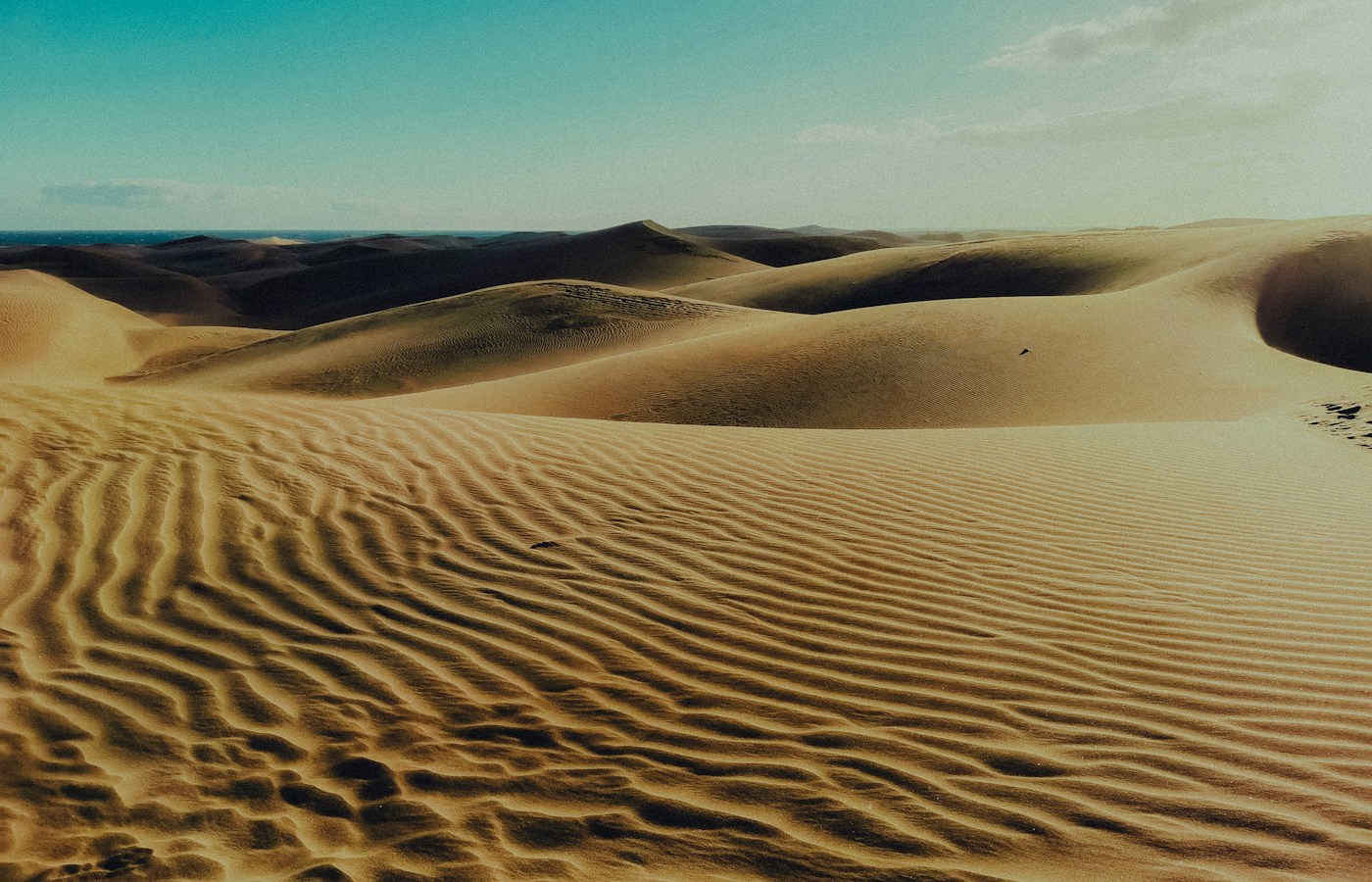
The first thing to notice at Maspalomas is the movement: ridges of sand catching the light, the sea beyond them and a landscape that seems to change as you look. The next thing to notice is the marked route. This is a protected natural reserve, and the way you move through it matters.
For LGBTQ+ travellers planning a Gran Canaria break, the dunes can be a memorable part of the holiday without becoming an improvised playground. This Maspalomas dunes visiting guide explains the distinction between a walk through the reserve, time on the beach and an evening in the resort, so you can enjoy each on its own terms.
Can you walk through the Maspalomas dunes?
Yes, but public access does not mean unrestricted access. Gran Canaria's official conservation guidance asks visitors to stay in marked areas and on authorised paths, follow the signs and respect wildlife and plants. Plan your visit around those routes rather than choosing a dune crest to climb towards.
The Masdunas reserve overview distinguishes different management zones, including an exclusion zone closed to the public. An open-looking patch of sand is not evidence that it is available for walking. Read the information at your access point and follow any current restrictions on site.
Start with our Maspalomas destination guide for the broader holiday context. Here, the focus is the natural landscape and how to include it thoughtfully in your stay.
Understand the landscape before choosing a route
The reserve is more than a field of bare sand. Masdunas describes moving dunes, areas where vegetation stabilises the sand, and habitats influenced by groundwater. These differences help explain why a seemingly small shortcut can take you through a place with a different conservation purpose.
Use the Cabildo's Masdunas visitor brochure, which includes a land-use map, to understand the layout before arriving. Select the Spanish-language 2024 brochure, “Renaturalización frente al Cambio Climático”; its map is background for planning, while the signs at your actual entrance provide the instructions to follow during the visit.
Choose a start and finish you can identify, then consider the return as well as the outward walk. A scenic point on a map is not a complete route. Avoid relying on a social-media track that cuts across unmarked ground or assumes every apparent trail is authorised.
A simple plan for a first visit
- Before leaving: check the current weather and reserve information, and save your chosen access point and return plan.
- At the entrance: read the panels and identify the marked route before setting off.
- During the walk: stay on that route, pause where you can do so without obstructing other visitors, and leave plants and natural materials in place.
- Afterwards: continue to a suitable beach area or return for a meal, rather than settling into the interior of the reserve.
Keep the plan flexible enough to turn back. You do not have to cross the entire landscape for the visit to feel worthwhile. A shorter outing that suits the conditions and your mobility is a better plan than an ambitious route you have not checked.
Bring drinking water, sun protection and footwear that suits a sandy outing. These are practical packing suggestions, not a guarantee that a particular route will be comfortable for everyone. If you need step-free access or a firm surface, ask specifically about your intended access point rather than assuming that a marked sandy path meets those needs.
Keep beach time separate from the reserve walk
The Cabildo's visitor brochure directs sunbathing, resting and naturism to the beach rather than the interior dunes. That distinction is useful when organising your day: a route through protected habitat is not the place to spread out a towel or create a sheltered spot.
Gran Canaria's conservation guidance also asks visitors not to build structures from stones or other materials and states that camping is prohibited. Leave the arrangement of the landscape as you find it. If you want a longer beach stay, plan that as a separate part of the outing and follow the signs and instructions applying to the area you choose.
This guide does not identify a particular stretch as guaranteed LGBTQ+ space, clothing-optional territory or a safe swimming spot. Check the actual beach information and conditions when you arrive. A resort's reputation does not establish the rules, services or sea conditions at every point along its coastline.
Photograph the view without creating a new path
The light and sand patterns are part of the appeal, but an image found online does not tell you where its photographer stood or what access was permitted. Choose your composition from a place where you are allowed to be. A longer lens, a detail of the sand seen from the route or a broader landscape can be an alternative to walking towards a particular ridge.
Do not rearrange stones, pull vegetation aside or cross a barrier for a clearer frame. Respect other visitors' privacy as well: a wide landscape is different from making a stranger the subject of your photograph without asking.
If a photo stops being possible from the authorised route, let it go. The visit can still give you a strong sense of the place without reproducing a particular image.
Leave room for wildlife and quieter observation
La Charca and the surrounding habitats are another reason to look beyond the dune shapes. Masdunas explains that groundwater supports plants such as tamarisks and rushes within the wider reserve system. Its ecological account makes the contrast between wet and dry environments part of the interest of the landscape.
Observe from permitted areas and leave animals to their own activities. The tourism authority's guide to the dunes reminds visitors not to feed animals or make unnecessary noise. A few minutes spent watching from a suitable place may reveal more than trying to move closer.
Pack your rubbish out, including small items that are easy to overlook after a snack. Keeping your belongings together also makes it easier to leave promptly if conditions change or you decide to shorten the walk.
Connect the day with LGBTQ+ resort life
Gran Canaria's official LGBTQ+ leisure overview identifies the Yumbo Shopping Centre in Playa del Inglés as a focus for gay nightlife. It provides useful context for planning an evening after your nature visit, while individual venues and events need their own current checks.
Give yourself time to return, shower and eat before deciding what comes next. A dunes visit does not have to be followed by a late night, and an evening out does not need to be squeezed into the same schedule as a long walk. Match the plan to the holiday you want.
For accommodation research, compare the locations and property details for AxelBeach Maspalomas and Seven Hotel & Wellness in the Gaylidays catalogue. Check the actual journey between your property, the reserve access point and your evening plans. Neither a resort name nor a hotel label tells you that every destination is an easy walk away.
Our LGBTQ+ friendly hotel booking guide suggests questions about welcome, room arrangements and practical needs. Ask your chosen property directly about the details important to your stay.
What to check again before you go
Reopen the reserve information for your travel date, read the entrance signs, and choose a route that works with the day's conditions. Use current beach instructions for the beach and current venue information for the evening. Keeping those three parts of the holiday distinct makes the planning clearer.
The reward is time with a landscape that has its own rhythms: wind, sand, vegetation and water, with the resort beyond it. Following the marked paths leaves room to notice those details while respecting the work being done to conserve them.
Sources checked on 23 October 2026. The Masdunas brochure linked above was published in 2024; current on-site signs and restrictions should guide your visit.
Cover photograph: Alberto Rodríguez Santana on Unsplash, used under the Unsplash License. It illustrates the Maspalomas landscape, not a recommended walking route.
KEEP EXPLORING
Discover the destinations behind the stories