City escapes
National Gallery of Ireland: A Slower Art Afternoon in Dublin
Choose a few paintings, bring your headphones and make time for an unhurried cultural stop in Dublin.
Article updated 9 November 2026
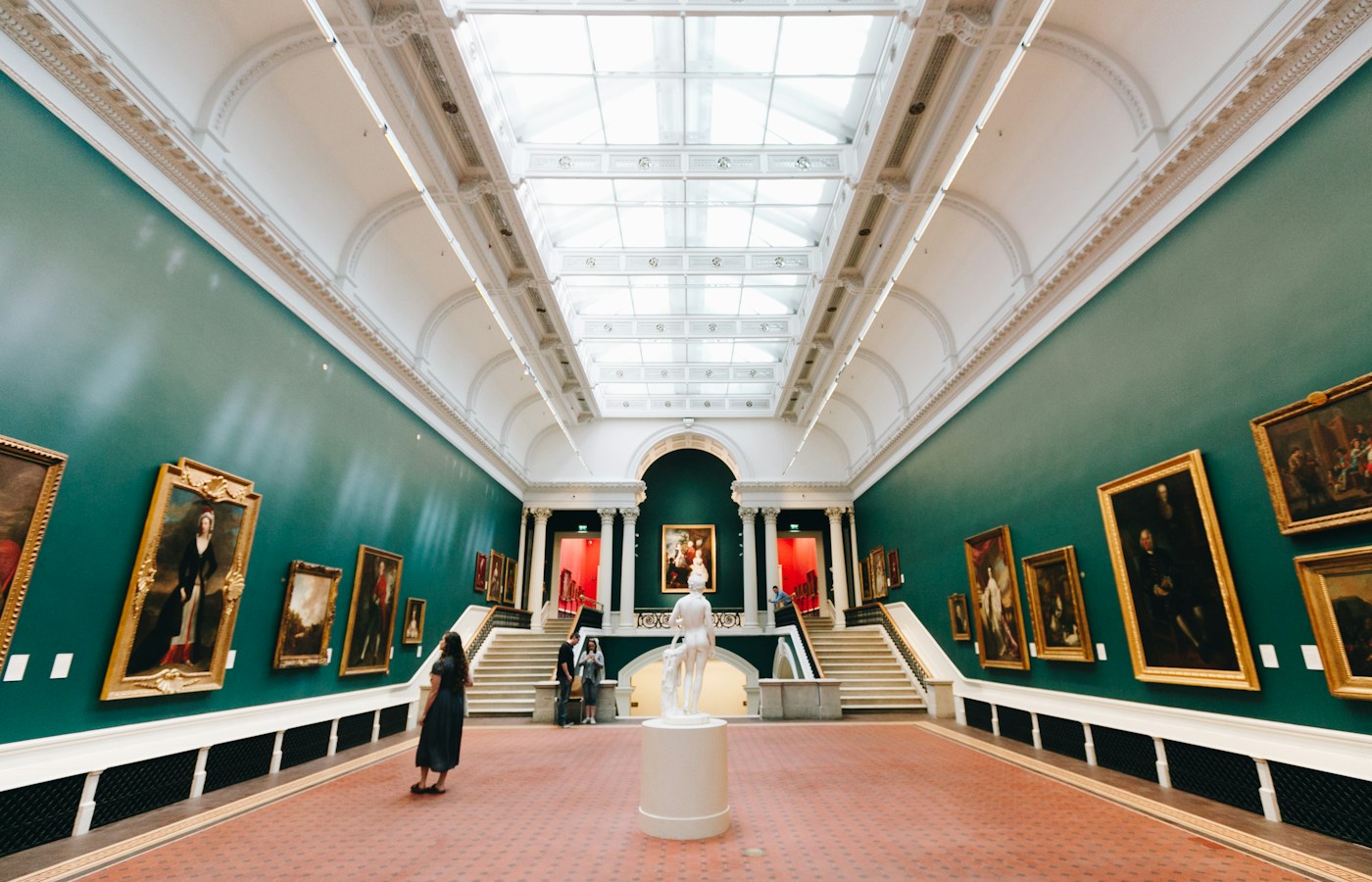
A city break can leave you looking at plenty of things without giving any of them much attention. Dublin’s National Gallery of Ireland offers a reason to slow down: choose a few paintings, follow the thread that interests you and leave space for something you did not expect to like.
For LGBTQ+ travellers building an afternoon beyond nightlife, this is a flexible cultural stop within a wider Dublin city break. The practical distinction is simple: the permanent collection is free, while some temporary exhibitions need tickets. Decide which visit you want before organising the rest of the day.
Start with the free collection or a ticketed exhibition
The Gallery’s visitor guide says individual visitors do not need to book for the permanent collection or many free exhibitions. Some temporary shows require tickets, and organised groups must book a time slot even when visiting free displays. A free-entry visit and a booked exhibition are different plans.
If you want an easy first encounter, start with the collection. If a temporary exhibition is your main reason to come, check its own dates, admission and availability first. Avoid buying a ticket simply because a search result suggests that every gallery visit needs one.
Check the day’s hours before heading out
At the time of checking, the official opening-hours page lists later opening on Thursday and an 11am start on Monday and Sunday. It also warns that further closures may happen at short notice following industrial action. Check the Gallery’s current notices and social channels on your visiting day.
Do not treat the advertised building closing time as your final opportunity to see everything. The Gallery says rooms begin closing earlier, starting with the upper floors. Leave comfortable time for your chosen works rather than arriving with a short list and only the final minutes to find them.
Our suggestion is to set aside an unhurried part of the morning or afternoon, then decide how much you want to see once inside. That is an editorial pacing choice, not an official visit duration. Free admission makes a focused visit entirely reasonable; you do not need to cover every room to justify being there.
Choose a few works rather than a complete checklist
The Gallery’s collection highlights offer several starting points: Caravaggio’s The Taking of Christ, Vermeer’s Woman Writing a Letter, with her Maid, Jack B. Yeats’s The Liffey Swim and Mainie Jellett’s Decoration. These are collection references, not a promise that each work will be on view when you arrive.
Choose by curiosity. You might begin with dramatic light, move to an intimate scene and finish with colour or abstraction. Ask staff about current display locations, loans or room closures rather than relying on a saved room number.
Try spending a few minutes with one painting before reading its label. Notice where your eye goes, what feels close or distant and which details change the scene. Then read the title and return to the image. This small shift gives you a way into an unfamiliar work without needing an art-history background.
Bring headphones if you want a little guidance
The Gallery provides free audio tours for use on your own phone or tablet, including a highlights route and an audio-described highlights option. Bring your own headphones. The tours can be reached through the official page, Smartify or QR codes in the building, and the Gallery lists free Wi-Fi.
Audio works best as an invitation rather than an obligation. Follow a few stops, pause when another room catches your attention and continue at your own pace. If you are visiting with a partner or friend, agree on a meeting point so that listening does not turn into a search for each other.
Choose your entrance and check access needs
There are entrances on Merrion Square West and Clare Street. The official directions place the Gallery around ten minutes on foot from Trinity College, Grafton Street and St Stephen’s Green; actual walking time will depend on your route and pace. Pearse DART station and the Dawson stop on the Luas Green Line are also options to check against your starting point.
The accessibility guide states that galleries and facilities are wheelchair and buggy accessible, with a limited number of wheelchairs available to borrow. Contact the Gallery before travelling if you need a particular service or arrangement. Use its current access information to plan the details that matter to you.
For a Dublin base, you can compare The Mont in the Gaylidays catalogue with your budget and wider plans. Read the accommodation details and current policies before booking; proximity to cultural attractions does not by itself establish a hotel’s inclusion practices.
Leave room for looking, and follow photo restrictions
The Gallery’s photography policy permits casual personal, non-commercial photography, including architectural features and out-of-copyright collection works. It prohibits flash, tripods, monopods, supplementary lighting and selfie sticks in exhibition areas. Follow local signs and staff guidance, and do not assume that every artwork can be photographed.
For this visit, a useful rhythm is simple: check opening notices, choose free collection or exhibition, pick a few works and bring headphones if you want audio. Leave the next stop flexible. A gallery afternoon can be a complete part of the day rather than a gap to fill between bookings.
Official visitor information checked on 9 November 2026. Recheck opening notices, exhibition tickets, access arrangements and artwork availability before travel.
Cover photograph: National Gallery of Ireland by Juliet Furst / Unsplash, used under the Unsplash License.
KEEP EXPLORING
Discover the destinations behind the stories