City escapes
Where to Stay in Lisbon for LGBTQ+ Travellers: A Neighbourhood Guide
Cafés above the city, a late evening nearby or historic lanes outside your door: choose the Lisbon neighbourhood that fits the trip you want.
Article updated 6 October 2026

For a first LGBTQ+ trip to Lisbon, start with Príncipe Real if evenings around the gay scene are central to your plans, or Chiado if you want a flexible base for culture and exploring. Choose Bairro Alto when being near nightlife matters more than an early night. Consider Alfama when old-city atmosphere is the reason you are travelling.
Those are editorial starting points, not a ranking of safety or an assurance about every hotel. The right address depends on how you want your mornings, nights and journeys home to feel. This guide compares the practical trade-offs before you book.
Where to stay in Lisbon: the quick shortlist
- Príncipe Real: start here for neighbourhood cafés, gardens and access to LGBTQ+ venues; check the uphill route to your accommodation.
- Bairro Alto: consider it for bar-hopping and a social evening; ask about the exact room location and street noise.
- Chiado: a useful first-visit compromise when shopping, cafés and sightseeing share the agenda with going out.
- Baixa: consider the lower downtown grid if you prefer to organise your days around central transport and the riverfront.
- Alfama: choose it for historic lanes, viewpoints and fado, with more attention to slopes, luggage and your return after a night out.
Open the Gaylidays Lisbon destination page alongside this shortlist. It provides the broader city context and hotel directory; this article focuses on the decision about where to sleep.
Príncipe Real: a starting point for LGBTQ+ neighbourhood life
Príncipe Real gives a city break a pleasing rhythm: a café stop, a browse, then time around the garden before an evening elsewhere. Visit Lisboa describes its restaurants, antique shops, mansions and gardens, placing the neighbourhood between São Pedro de Alcântara and São Bento.
For LGBTQ+ nightlife, a specific venue is more useful than treating an entire district as one uniform gay village. TR3S Lisboa is one place to investigate; check its own current information and location when planning an evening. Neighbourhood labels should help you orient yourself, rather than define which spaces will suit every traveller.
Before booking: compare your actual address with the places you intend to visit. A short line on a map can include a climb. If late evenings are important, decide whether walking back uphill will still appeal, and leave room in your transport budget for another option.
Bairro Alto: stay close to the evening, choose the room carefully
Bairro Alto suits travellers who enjoy leaving dinner plans open and seeing where an evening leads. The tourism board describes its concentration of bars and restaurants, with nightlife continuing towards Bica and Cais do Sodré. During the day, the same district has independent shops and a different pace.
Proximity to that activity is a booking trade-off, not an automatic advantage. If you are a light sleeper, ask the property whether the room overlooks a busy street, has effective sound insulation or faces an internal space. Read recent reviews for the specific room type if available, rather than relying on the neighbourhood name.
A relevant place to compare is The Late Birds Lisbon, on Travessa André Valente. Its own welcome page addresses gay men and their friends, including people outside the LGBTQ+ community. That explicit positioning is more informative than assuming a hotel is gay-focused because it sits near bars.
Check current guest policies, availability and facilities directly before reserving. The property's positioning does not tell you whether its social atmosphere, room layout or price is right for your particular trip.
Chiado and Baixa: a balanced base for a first visit
If your Lisbon plans involve as many daytime stops as late nights, begin by comparing Chiado and Baixa. They are connected parts of the centre with different terrain, so avoid treating the combined label as a guarantee of a flat walk.
Visit Lisboa presents Chiado through its shops, studios and pavement cafés, and nearby Baixa through traditional shops and patisseries. The appeal here is choice: you can build a day around the centre while deciding separately which evening venues to visit.
For a hotel at the meeting point of two districts, compare Bairro Alto Hotel. Despite its name, the property describes its position between Bairro Alto and Chiado. That is a useful reminder to check the map as well as the branding.
Before booking: choose two or three places you expect to visit and compare the routes from the hotel. Think about returning to drop off shopping, change before dinner or take a rest. A room that supports those small pauses can make a short stay feel less rushed.
Alfama: choose historic atmosphere, plan for the hills
Alfama is an option when the neighbourhood itself is part of the experience you want. The official area guide emphasises its cobbled lanes, steep inclines, viewpoints and connection to fado. It is a good district to consider for unhurried exploring, with the physical route deserving as much thought as the view.
Compare Hotel Convento do Salvador if that part of Lisbon appeals. Its official website confirms the Alfama setting and explains the hotel's adaptation of a former convent. This is a location-led suggestion, not a claim that the property has a particular LGBTQ+ certification.
Before booking: ask where a vehicle can drop you off, whether steps separate that point from reception, and how you reach your room. If step-free access matters, ask for details about the full journey rather than a general statement that the building is accessible.
You can still visit other neighbourhoods in the evening. The question is whether you want to organise transport back to Alfama after the outing, rather than make the nightlife district your overnight base.
How to choose a hotel beyond its neighbourhood label
A good shortlist has three layers: the area, the property and the room. Two rooms in the same building can offer different noise levels, access and views. Before committing, check:
- Your non-negotiables: step-free access, bed configuration, a private bathroom, air conditioning or room space. Confirm what matters directly.
- The welcome: look for a clear inclusive policy or explicit LGBTQ+ positioning, and ask practical questions if you need clarification.
- The total cost: compare the complete quote, any local charges, breakfast and cancellation terms. A headline nightly rate is not the full booking decision.
- The evening return: identify how you will get back from the places you actually want to visit.
- The evidence: use recent reviews for practical observations, without treating one review as a guarantee.
For destination context, read the Portugal page and how to interpret the GLD Index. A comparative score can inform your research; it does not assess every street, room or personal experience.
Getting around: check routes before choosing your base
Transport can widen your hotel options, especially if you prefer daytime sightseeing to staying beside evening venues. Use the official Lisbon Metro maps to check the network, then inspect the final walk from your stop to the accommodation.
If lift access, late arrival or luggage handling matters, verify those details for your dates. A metro station nearby does not establish that the complete journey is step-free. Avoid building the booking decision around an unverified journey time or assuming a service will still be running when your flight arrives.
Questions travellers ask before booking
What is the best area to stay in Lisbon for gay travellers?
Príncipe Real is an editorial starting point for travellers interested in LGBTQ+ neighbourhood life; Bairro Alto works for those prioritising evening activity. Chiado is worth comparing when culture and a flexible central base matter just as much. Choose according to your interests, the actual hotel address and your room requirements.
Do I need to book a gay hotel?
No. A gay-focused property can be a deliberate choice if its atmosphere appeals to you, while other travellers prefer a hotel selected for its location or facilities. Check inclusive policies and current guest rules rather than inferring them from a neighbourhood or marketing photograph.
Is Alfama a good choice if I want nightlife?
It can work if historic atmosphere is your priority and you are willing to plan the evening return. Compare that arrangement with staying closer to your chosen venues. The best compromise depends on how often you plan to go out and how comfortable you are with the route.
Which area should I choose if I want a quiet room?
Start with the room rather than promising yourself that an entire district will be quiet. Ask about street-facing versus internal rooms and read recent comments about noise. In any busy city, an appealing location and a restful room need to be checked separately.
A final way to make the decision
Picture your first full morning and your last evening. If both revolve around cafés, neighbourhood browsing and LGBTQ+ venues, investigate Príncipe Real and Bairro Alto first. If they are more about culture and a convenient pause between outings, compare Chiado and Baixa. If old lanes and viewpoints are the reason for the trip, give Alfama serious consideration.
For another way to plan an LGBTQ+ city break, explore our 48-hour Madrid itinerary. For Lisbon, keep the decision focused: choose the kind of stay you want, then confirm the property and room that make it possible.
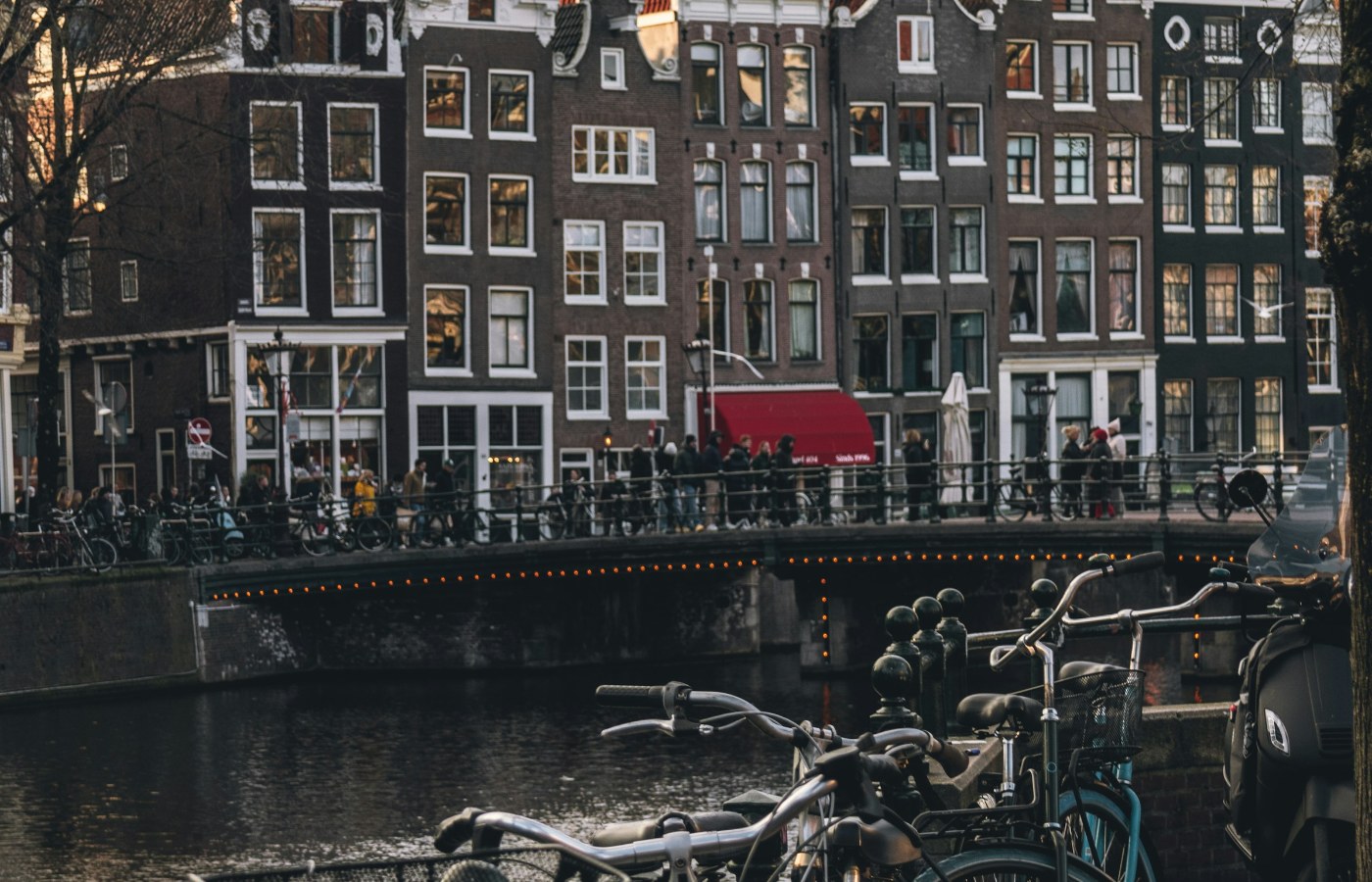
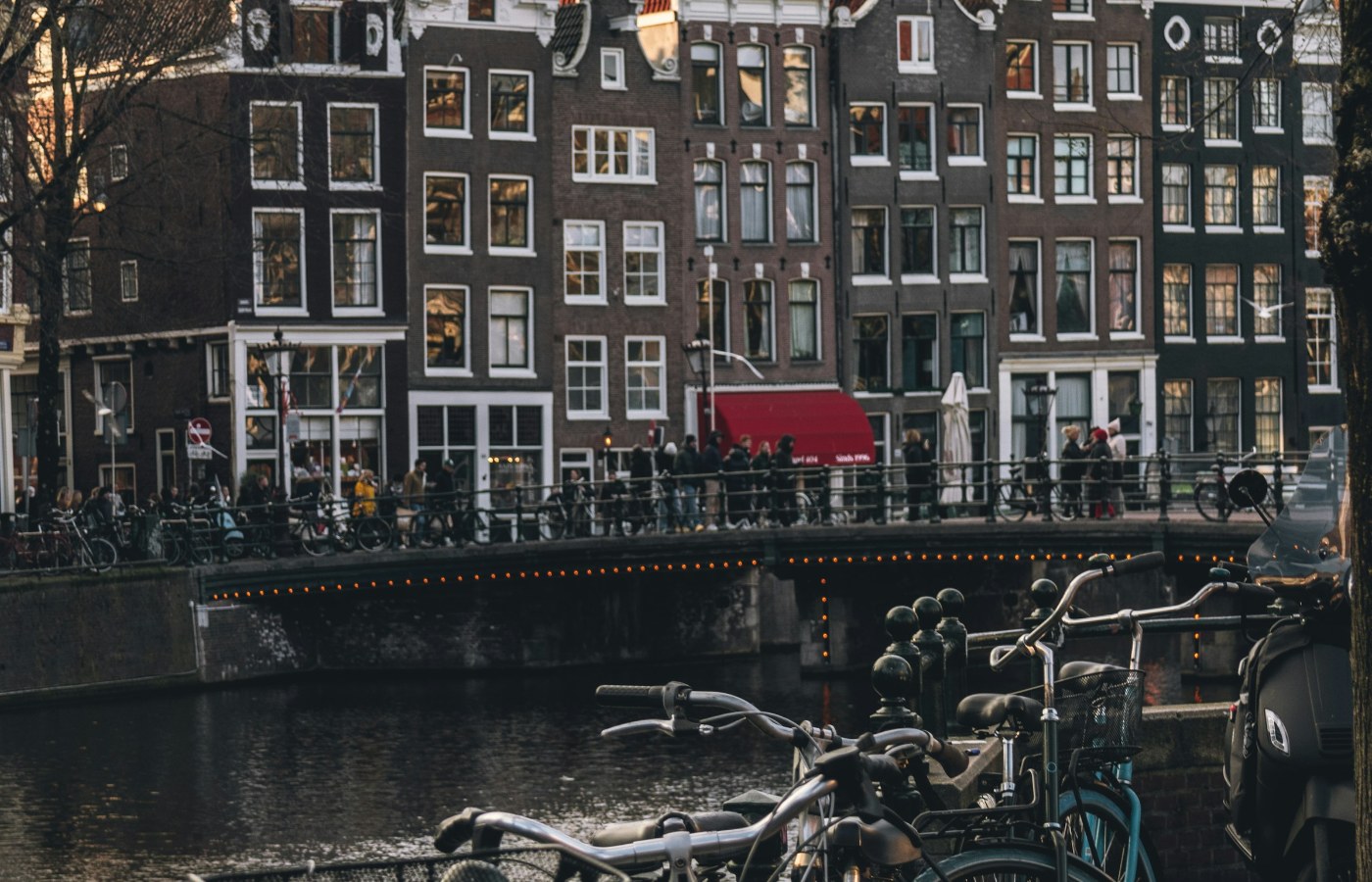
Research checked on 6 October 2026 using the official sources linked above. Hotel suggestions are editorial comparisons, not a ranking or confirmation of availability. Photo: Remy Gieling / Unsplash; the image shows Lisbon's skyline, not a particular hotel or district.
KEEP EXPLORING
Discover the destinations behind the stories