LGBTQ+ city travel contextHotel
City centre
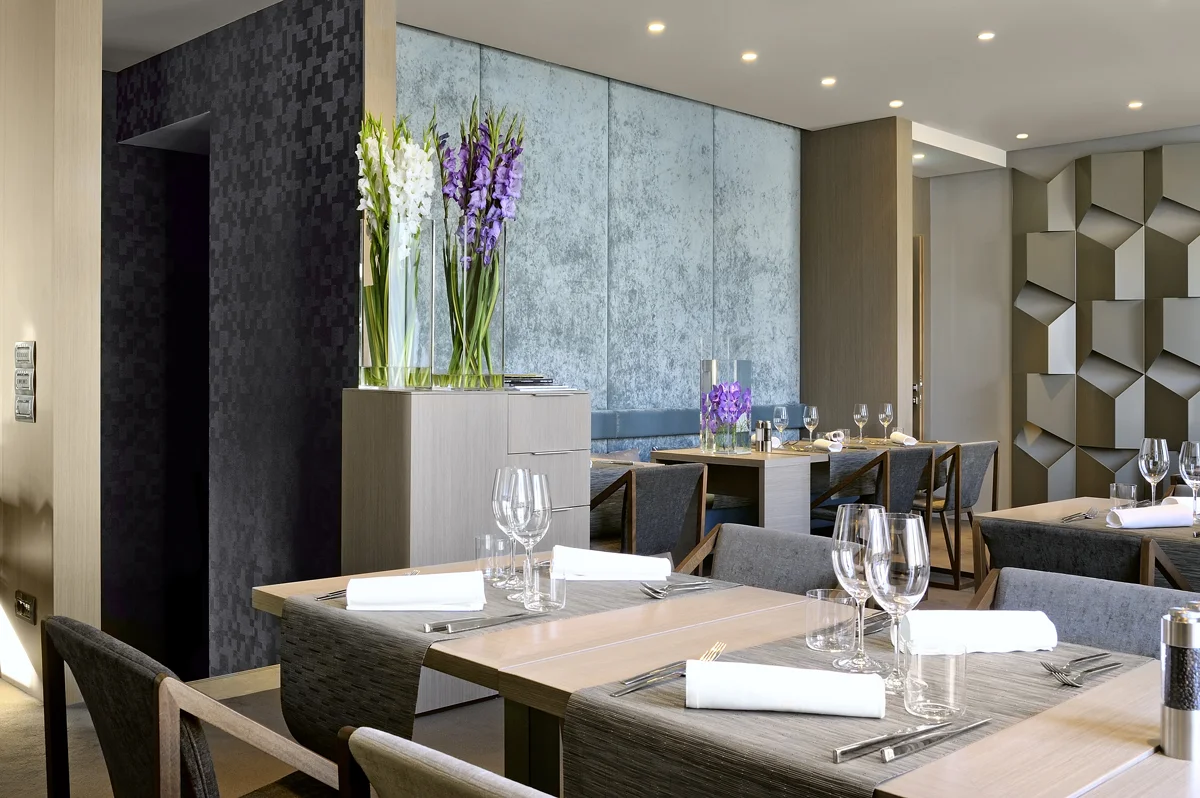
Hotel CUBO
A boutique hotel in a protected historic building in central Ljubljana, contrasting its original architecture with contemporary interiors and offering 26 guest rooms.
Discover this hotel GLD INDEX
GLD CITY SCORE
The local perspective, within Slovenia.
YOUR DESTINATION IN THE INDEX
Among destinations covered by this index with current publishable scores. Based on unrounded scores; equal values share a rank. As of 2026-09-27. How rankings work →
YOUR DESTINATION, IN CONTEXT
Ljubljana has a published GLD City Score of 83/100, in the High range.
Ljubljana is a small European capital where the riverfront, historic centre and contemporary cultural spaces sit unusually close together. Its tourism authority and municipality both document LGBTQ+ organisations, events and inclusion measures, giving the city a comparatively visible local infrastructure.
Understand the methodologySTAY, WITH MORE CONTEXT
A small tourism shortlist based on location, character and useful travel features. LGBTQ+ evidence is shown separately when documented.
Swipe or scroll to explore the selection.
No hotel has received a GLD score or a guarantee of safety. “LGBTQ+ welcome documented” is only shown where an explicit, attributable source has been found. There are currently no paid placements or affiliate links.
BEYOND THE NUMBER
Source-based overview · external sources consulted 2026-09-29. GLD score dates are shown separately. Source: GLD scoring inputs. Interpretation of the recorded assessment, not a new score calculation.
Visit Ljubljana presents a walkable centre organised around the Ljubljanica river, bridges, markets, castle views and cultural venues. The city’s smaller scale makes it possible to combine heritage, food and contemporary culture without a transport-heavy itinerary, while green spaces remain close to the centre.
Sources: Visit Ljubljana — LGBTQI+ guideThe tourism authority maps LGBTQI+ history, organisations, festivals, publishers and social venues. Ljubljana’s municipality separately documents its LGBT-friendly certification, support for NGOs and space provided near City Hall. Pride adds a political and cultural festival, but the local infrastructure is broader than one annual event.
Sources: Visit Ljubljana — LGBTQI+ guide · City of Ljubljana — LGBT-friendly city · Ljubljana Pride AssociationLjubljana’s GLD score is 83/100, with a recorded local-adjustment component of 84/100. The score combines Slovenia’s national foundation with selected city evidence of visibility and inclusion. It does not guarantee every interaction or certify listed organisations and venues.
Source: GLD scoring inputs. Interpretation of the recorded assessment, not a new score calculation.Usually not for the central sights. The riverfront, historic core, markets and many cultural venues are close enough to combine on foot.
Sources: Visit Ljubljana — LGBTQI+ guideNo. Official sources also document NGOs, cultural events, publishers, social venues, municipal certification and dedicated community space.
Sources: Visit Ljubljana — LGBTQI+ guide · City of Ljubljana — LGBT-friendly city · Ljubljana Pride AssociationHOW TO READ THIS SCORE
A city score builds on its country’s context and adds local signals such as LGBTQ+ visibility, venues, events and tourism. A higher city score does not remove national restrictions.
BEHIND THIS SCORE
The source-based overview above adds local context. These are the recorded score components; the editorial research has not recalculated them.
Local adjustment is a component, not the final city score. The national context remains important.
Official tourism evidence; Ljubljana/Maribor Pride evidence where relevant; TravelGay and GLD Editorial Review - City Local Adjustment.
Synced from GLD Index on 27 Sept 2026. The sync date is not an evidence verification date.
No. Use the GLD Index alongside current official travel advice and local information. Conditions and personal experiences vary.
This score is read from GLD Index’s data portal, using only current published or partner-ready records. Score last updated: 19 May 2026. Public display levels use the existing four-band scale; the underlying methodology category is tracked separately.