City escapes
Fushimi Inari: A Short Torii Visit or a Mountain Walk?
Decide how far you want to walk, then give Kyoto’s sacred gates the time and attention they deserve.
Article updated 26 November 2026
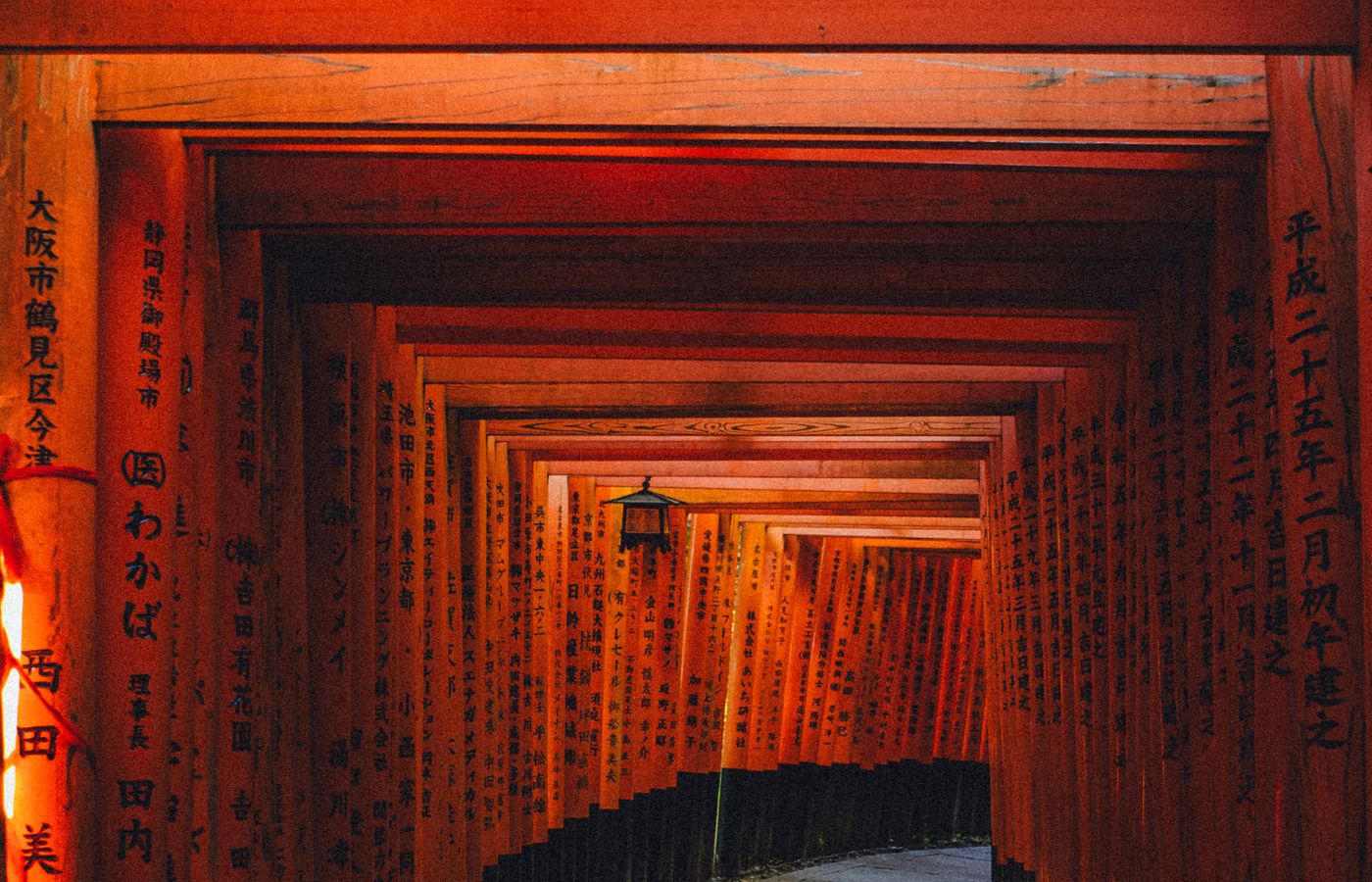
At Fushimi Inari, the red gates are the beginning of a decision. You can make a first visit around the lower shrine and Senbon Torii, or continue uphill through the sacred mountain. Both can be rewarding. The useful question is how much walking you want to make part of your Kyoto day.
Choose that before filling the rest of your itinerary. A mountain outing deserves space around it; a shorter visit works better when you are happy to turn back without feeling you have left something unfinished.
How long should you allow at Fushimi Inari?
The Japan National Tourism Organization estimates two to three hours to tour the mountain. Treat that as a general planning guide, with extra time for your own breaks, photographs and pace. It does not include your journey from the hotel or every possible stop afterwards.
- A shorter first visit: our suggested allowance is 60–90 minutes for the lower shrine and an unhurried look at the torii, returning before a longer climb. This is an editorial planning suggestion, not an official route duration.
- A mountain visit: keep a generous half-day free around the two-to-three-hour walking estimate, including transport and a break.
- An uncertain day: begin with the shorter plan and decide whether to continue while you still have plenty of energy and daylight.
You do not have to reach the top to appreciate the place. Equally, if the mountain is what interests you, avoid making it a rushed stop between two timed bookings.
Use the station that fits your starting point
The shrine’s official access guide places the entrance beside Inari Station on the JR Nara Line, two stations and about five minutes from Kyoto Station. Keihan’s Fushimi-inari Station is another option, with a walk of about five minutes east to the shrine.
Check a live journey planner from where you are actually staying. The short JR journey from Kyoto Station is not the same as a five-minute trip from every hotel in Kyoto. Make sure the service you choose stops at your intended station, and allow time to find the platform.
The shrine recommends public transport because nearby parking is crowded. For a city break, arriving by rail also gives you a straightforward return plan if you decide to keep the visit short.
Give the lower shrine and torii your attention
Pause before treating the gates as a route to complete. The shrine’s Senbon Torii explanation describes the gateways as offerings expressing prayers and gratitude, a tradition dating to the Edo period. That context changes the visit: the passage is part of a living religious site, with meaning beyond its striking colour.
For the shorter option, let the lower shrine and torii be the main experience. Follow the on-site route signs, notice the inscriptions and leave room for people moving through the passage. Choose a turning point that fits your energy rather than continuing simply because the next stretch is visible.
If you are visiting together, agree beforehand whether you both want the longer walk. It is easier to enjoy the morning when one person is not trying to complete a hike while the other expected a brief architectural stop.
Make the mountain a separate commitment
The shrine’s Inariyama guide describes a sacred mountain reaching 233 metres above sea level, with paths, torii and places of worship. That elevation describes the mountain; it is not a promise about how easy the climb will feel.
JNTO’s hiking guide identifies Yotsutsuji as a point with views over Kyoto. If a city view is your aim, distinguish that stopping point from completing the mountain route. Use the site map and signs to understand where you are before deciding to continue.
Wear shoes suited to steps and walking, check the weather and leave enough daylight for the return. Carry water, but use the designated rest areas for food and drink. Reassess the plan if the route or conditions do not suit you. Keeping a shorter option available is part of planning a good outing.
Photograph the gates without stopping the visit for others
The shrine’s visitor rules prohibit blocking narrow paths for photography, entering restricted areas, damaging gates or trees, flying drones and approaching or feeding wildlife. Eating and drinking are restricted to marked rest areas. Commercial photography and photography in prohibited areas are also restricted.
Look for a moment that does not interrupt the flow, take your photograph and move on. A picture with other visitors in it can still convey the experience; an empty passage should not become the condition for enjoying the visit. Keep voices low and follow any instructions on site.
For the rest of your LGBTQ+ stay, explore the Gaylidays Kyoto guide. If you are comparing accommodation, see Cross Hotel Kyoto, then choose your transport and walking allowance from that base. Leave the afternoon flexible enough for the version of Fushimi Inari you actually choose.
Visitor and transport information checked on 26 November 2026. Recheck current service information, site notices and weather before travelling.
Cover photograph: Fushimi Inari’s torii passage by Liuuu _61 on Pexels, cropped and resized under the Pexels License.
KEEP EXPLORING
Discover the destinations behind the stories