City escapes
Gyeongbokgung Palace: Tickets, Winter Hours and the Guard Ceremony
Build your Seoul palace visit around the right day, the right gate and enough time after the guards depart.
Article updated 27 November 2026
A visit to Gyeongbokgung works best when you separate two plans: seeing the palace and watching the guards. The ceremony has a timetable of its own; the palace needs time for courtyards, rooflines and a closer look at the painted details. Put them together thoughtfully and you can enjoy both without spending the morning watching the clock.
In winter, make the closing time part of the decision from the start. A late arrival may get you through the gate, but it will not give you the same room to explore as a morning visit.
Check the winter hours before choosing your day
The Royal Palaces and Tombs Center lists Gyeongbokgung’s November–February hours as 9am–5pm, with last admission at 4pm. Tuesday is the regular closing day, although public-holiday exceptions can change the closure pattern. Check current notices for your travel date.
Do not treat 4pm as a suggested arrival time simply because admission is still possible. Our recommendation is to allow roughly two to three hours for a first visit with the ceremony and some independent exploring. That is an editorial allowance, not an official tour duration, and you may prefer longer if you enjoy architecture.
For a short winter break, choose the palace day before making a lunch or afternoon booking. It is easier to adapt the rest of the day than to discover that the one morning you kept free falls on the weekly closure.
Understand the standard ticket before adding extras
The official English admission page lists the standard individual adult ticket at 3,000 won. Free-entry categories include eligible younger and older visitors and qualifying hanbok wearers; consult the current rules for your circumstances. A Royal Palace Pass covers four palaces and Jongmyo within three months.
For one palace visit, compare that ordinary ticket with what you actually plan to do. A pass makes sense only if the additional sites fit your itinerary. If you are considering a special evening event or named cultural programme, read its own booking conditions rather than assuming a daytime ticket covers it.
Hanbok rental can be an enjoyable choice if wearing it interests you, but decide on the experience as a whole: fitting time, comfort, weather and return arrangements. The admission saving should not be the only reason to reorganise your morning. Confirm the palace’s free-entry guidelines and the rental business’s terms separately.
Use the guard ceremony as an anchor
The Korea Heritage Agency programme lists the main changing-of-the-guard ceremony at 10am and 2pm, lasting about 20 minutes. The separate guard-duty performances at 11am and 1pm last about 10 minutes. These are different events, so choose the one you mean when arranging your visit.
The official event information notes that the regular performances do not operate when the palace is closed and that times or venues can change. Recheck the programme shortly before travelling. Leave enough room in your plan to enjoy the palace even if the ceremony arrangements change.
Our suggested morning starts with arrival before the 10am ceremony, followed by a slower palace visit. Allow extra time to get your bearings and deal with tickets. If you choose 2pm instead, have lunch beforehand and protect the remaining afternoon for the grounds.
Find the gate and leave room for the performance
The agency’s directions place the ceremony at Gwanghwamun Gate. They list Gyeongbokgung Station on Line 3, Exit 5, and Gwanghwamun Station on Line 5, Exit 2, among the approaches. Use a live route planner from your accommodation and check station signs on arrival.
Once there, follow the staff’s directions rather than crossing the performance area to improve a photograph. The visitor reminders ask spectators not to touch or speak to the soldiers while taking pictures, not to pass through the formation, and to keep noise down. They also flag changes in ground level around the restored gate and central path.
Find a place from which you can watch comfortably, then let the movement and sound be the experience. A clear view is more useful than spending the whole ceremony trying to frame one image.
Give the palace time after the ceremony
The centre’s history of Gyeongbokgung identifies it as the Joseon dynasty’s primary palace, established in 1395. Its buildings have experienced destruction and reconstruction, with a major restoration programme beginning in the 1990s. The site is a place to read those layers, not just a single surviving moment from the past.
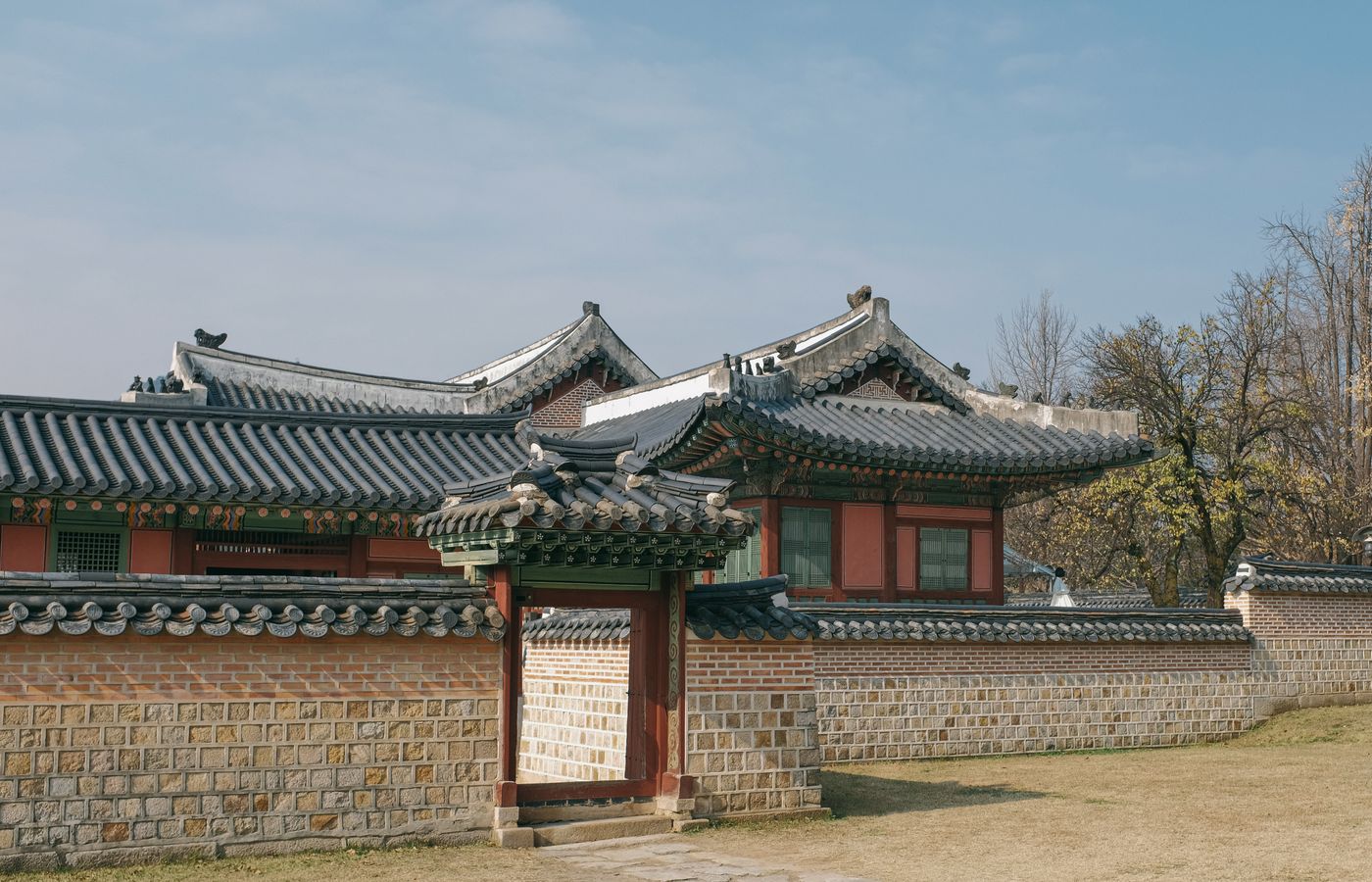
Use the map and interpretation panels to choose a manageable route. Look first at the larger arrangement of courtyards and roofs, then slow down for painted brackets, tiled edges and the relationship between buildings and enclosing walls. Leave space to pause rather than trying to photograph every hall.
If you prefer guided context, the official admission page lists free English tours, including an 11am departure; check current availability, meeting point and group limits before relying on one. Otherwise, keep your own route flexible and finish with time for an indoor break.
For the wider LGBTQ+ city break, explore the Gaylidays Seoul guide. If you are comparing accommodation, see RYSE, Autograph Collection and plan transport from that base. Let the palace be the cultural focus of one part of your stay, with the rest of Seoul still to discover.
Admission, visitor and programme information checked on 27 November 2026. Recheck official notices, opening hours and performance arrangements before travelling.
Cover photograph: architecture within Gyeongbokgung Palace by Huy Phan on Pexels, cropped and resized under the Pexels License.
KEEP EXPLORING
Discover the destinations behind the stories