Romantic getaways
Gay Honeymoon Destinations: Find Romance, Check Local Laws
A city to wander, a coast to linger on, or a quiet stay for two: start with the moments you want to share.
Article updated 14 October 2026
A honeymoon can be a city you explore on foot, an island where the afternoon stays open, or a villa with very little on the calendar. Start with the moments you want to share, then choose gay honeymoon destinations that fit that rhythm.
For LGBTQ+ couples, the welcome is part of the experience too. Compare the destination, local context, accommodation and journey together. The ideas below group places by holiday style, followed by practical checks before you book.
At a glance
- Riskline’s 2026 map classifies 91 countries as high concern, 62 as elevated, and 80 as normal; check your exact destination and recheck before departure.
- More than 60 countries criminalize consensual same sex relations; avoid dating apps where same sex acts are illegal, and check government advice and entry rules.
- Compare legal protections and local attitudes with travel season, transit time, and budget; choose a gayborhood for social access or a private villa for seclusion.
- Shoulder season can bring lower rates and quieter surroundings, while sunset cruises and spa appointments during peak months often require advance booking.
- Ask hotels to confirm non discrimination policies, package inclusions, date eligibility, cancellation terms, and promised extras in writing, since offers vary by property and season.
Gay honeymoon destinations, by the holiday you want
Start with the mood you want, then match it to a place. Each pick below notes what makes it romantic, how visible the LGBTQ+ scene is, when to go, and a stay type worth looking at. If you want more ideas first, our guide to romantic LGBTQ+ destinations goes deeper.
Beach and island
- Mykonos, Greece: Sunset dinners, small coves and a long-running LGBTQ+ beach and nightlife scene. Late May to September is the sweet spot; a boutique hotel near the old town keeps you close to everything.
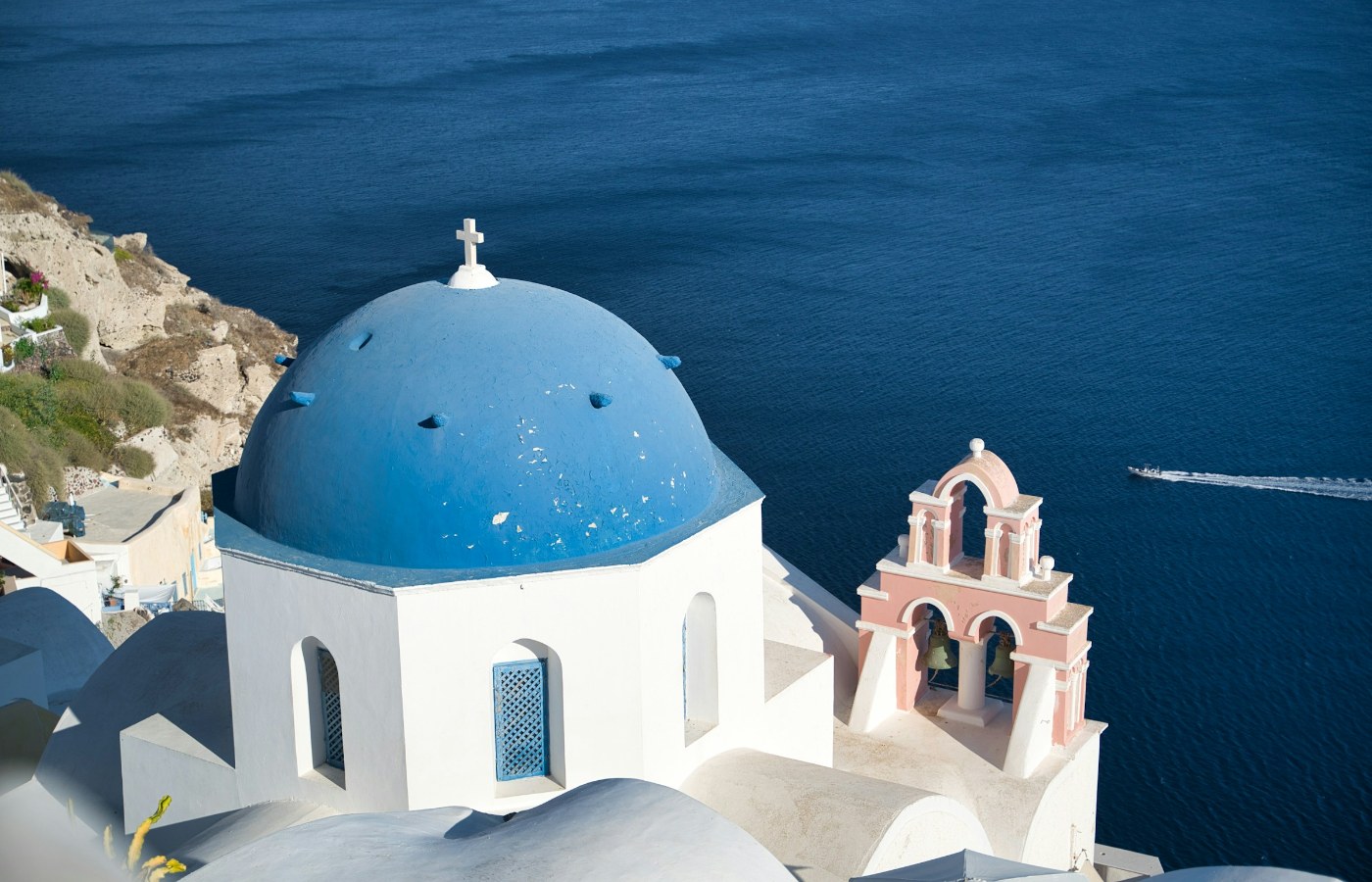
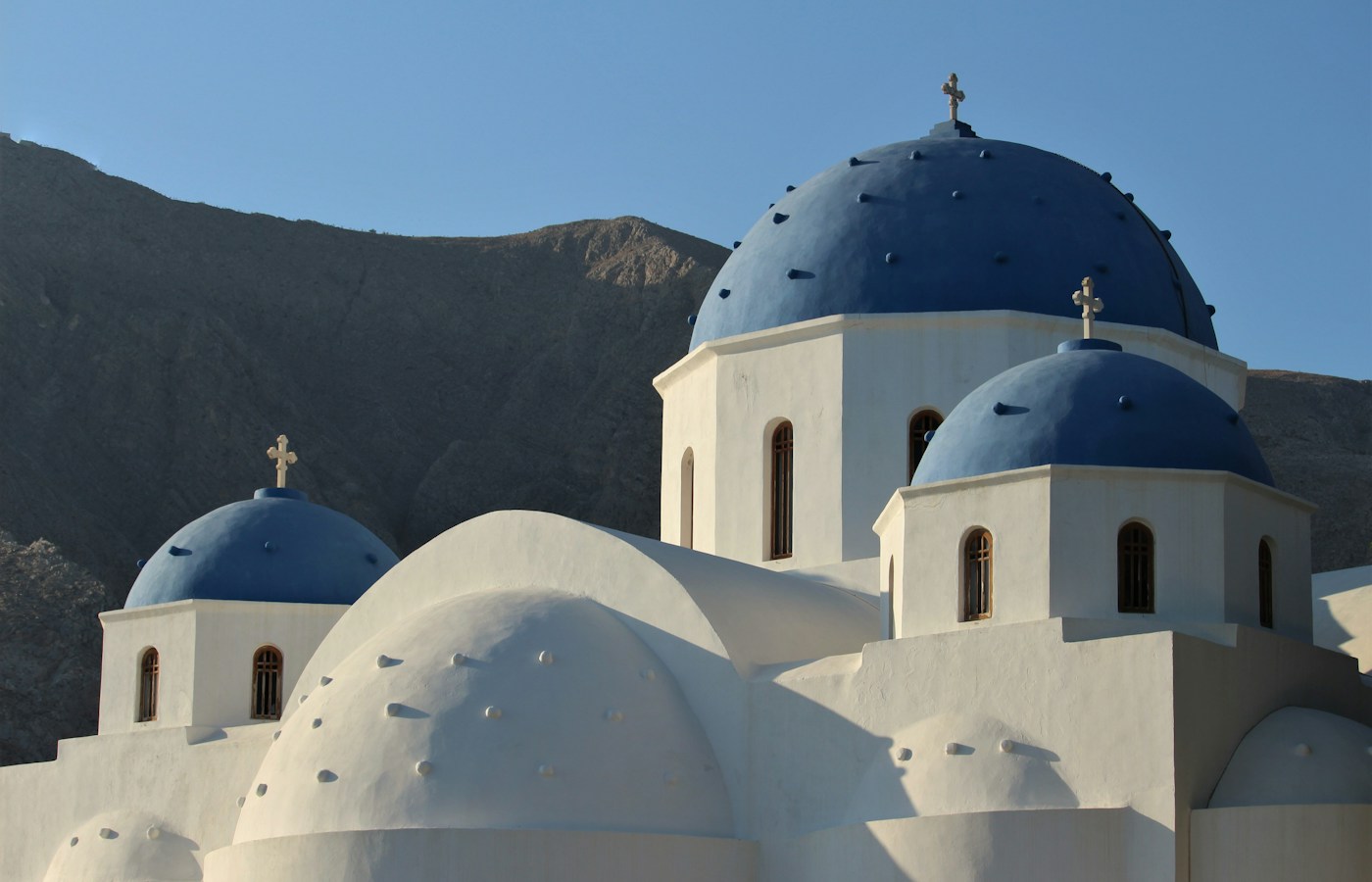
- Santorini, Greece: Caldera views and quiet evenings suit couples who want romance over parties. Go in May, June or September to avoid peak crowds, and book a cave-style suite with a private terrace.
- Bora Bora and French Polynesia: Overwater bungalows and lagoon days. Tahiti Tourisme describes French Polynesia as welcoming, with legal recognition of same-sex marriage and a wide range of resorts and guesthouses.
- Hawaii, United States: Beaches, volcano hikes and sunset sails across several islands. Spring and fall are calmer; an adults-focused resort adds privacy.
- Seychelles: Granite boulders, empty beaches and villa-style stays. Travel in April, May, October or November, and check current guidance before booking, since rules vary by country.
City romance
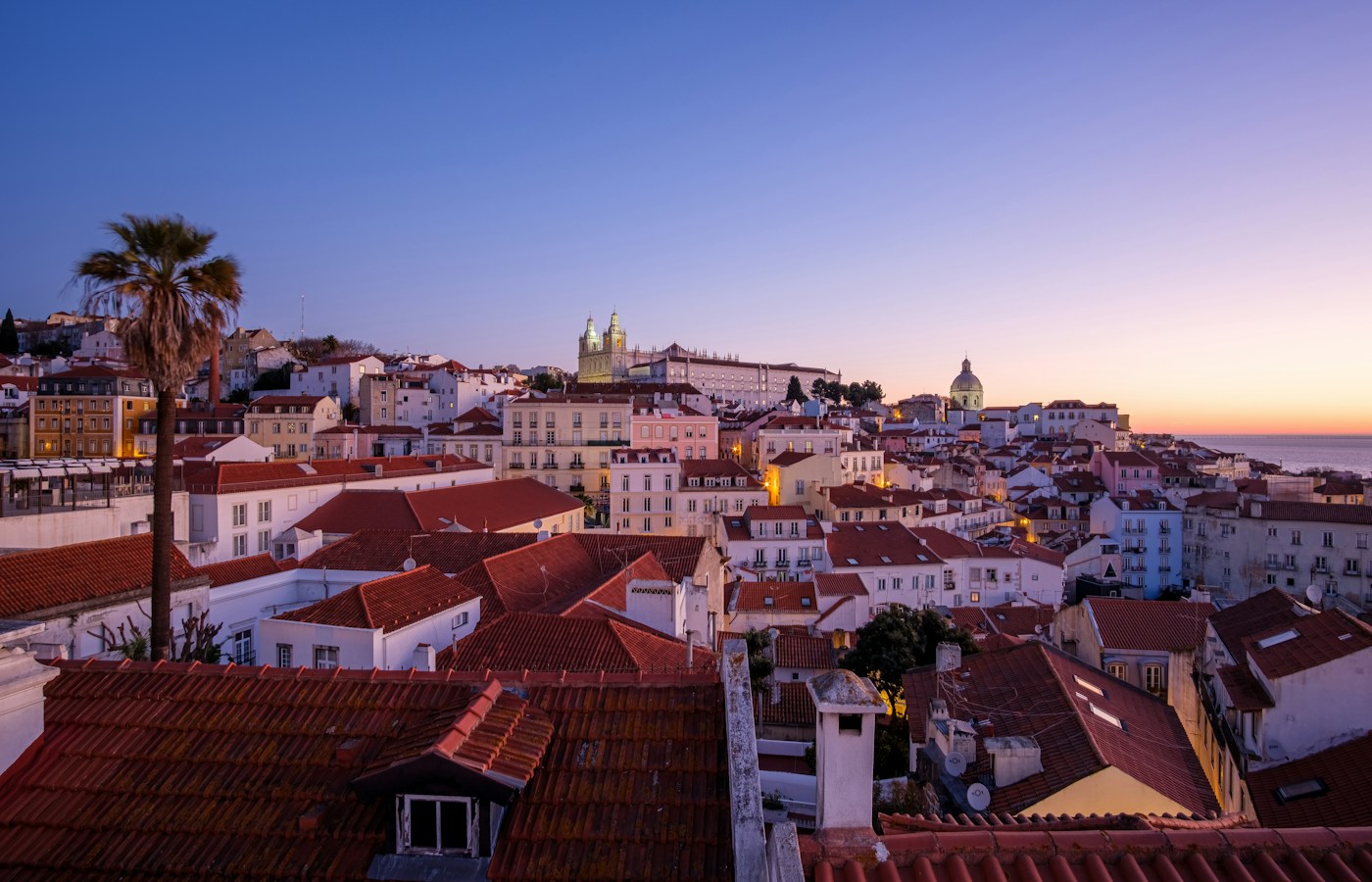
- Lisbon, Portugal: Tram rides, tiled hillsides and a relaxed LGBTQ+ presence around Príncipe Real. Spring and early fall are comfortable, and a boutique hotel in that area keeps nightlife nearby.
- Cape Town, South Africa: Wine country day trips, mountain views and a visible gay scene in De Waterkant. Our beach roundup covers the best gay beaches if you want a seaside add-on. November to March is warm and dry.
- Puerto Vallarta, Mexico: A walkable gayborhood with dedicated hotels and year-round nightlife. Almar Resort shows how an LGBTQ+ luxury property can sit inside that scene. Winter and spring are the driest months.
Nature and adventure
- Costa Rica: Rainforest lodges, hot springs and wildlife walks for couples who want to be active together. The dry season, roughly December to April, is easiest for travel; an eco-lodge gives privacy.
Tropical getaways that need extra care
- Bali, Indonesia and Thailand: Both offer lush villas and spa culture, but local attitudes and laws differ from what you may expect at home. Choose private villas or resort stays, keep public affection modest, and read current advisories before committing.
- St. Barth and Aruba (Caribbean): Upscale villas and calm beaches suit couples who want seclusion. Pick a resort with a clear non-discrimination policy.
If you prefer something less obvious, see our list of destinations that feel different.
Find the destination that suits you both
Narrow the list by what matters most to the two of you, then test finalists against the same criteria. Weigh legal protection and local attitudes first, then the presence of a gayborhood or LGBTQ+ scene, season and weather, travel time and budget, and whether you want privacy or a social atmosphere.
Questions worth asking while you research:
- Is same-sex marriage or partnership recognized, and are there anti-discrimination protections?
- Is there a visible community, and are there LGBTQ+friendly places to stay?
- What do current government advisories say about the specific region you will visit?
A short checklist you can copy:
- Write your top three romance goals (privacy, beaches, culture, nightlife).
- Shortlist four or five destinations that fit.
- Check each one’s legal status and current advisories.
- Compare travel time, season and total budget.
- Choose the stay type that fits your comfort level.
Worth keeping in mind Rank romance and safety together, not one after the other: a dream beach you feel tense on is a worse honeymoon than a slightly less famous one where you can relax.
Read the context before you book
Risk is not uniform inside a country. A tourist island, a capital city and a rural region can feel very different, so check the place you will actually stay, and recheck close to departure, because rules can change quickly.
Riskline’s 2026 map: Riskline classifies 91 countries as high concern, 62 as elevated concern and 80 as normal concern for LGBTQ+ travelers, which shows how dynamic the picture is.
Where to verify before you pay:
- Government advice: The UK’s foreign travel advice for LGBT travelers points you to the “Local laws and customs” section for each country. It also warns about dating-app entrapment where same-sex acts are criminalized, so avoid those apps in such places.
- U.S. State Department: Its guidance for gay and lesbian travelers notes that more than 60 countries criminalize consensual same-sex relations and urges you to check entry requirements and insurance coverage.
- ILGA World: Its updated maps and data track legal rollbacks in 2025 and 2026, which is why older articles can mislead.
- IGLTA: The IGLTA directory lists welcoming destinations and services for LGBTQ+ travelers.
Choose the stay for your everyday experience
The right stay depends on whether you want to be pampered, immersed or left alone.
- Adults-only resorts: Best for rest, spa days and all-inclusive ease.
- Boutique hotels: Best for city romance, with local character and staff who know the area.
- Private villas: Best for privacy and for destinations where you prefer to keep a low profile.
- Curated gay-friendly hotels: Best when you want social access and verified inclusivity.
Choose a gayborhood if you want dinners, bars and easy company; choose a secluded resort or villa if you want quiet. Before you book, ask about the hotel’s non-discrimination policy, private check-in, concierge knowledge of local LGBTQ+ venues, accessibility, and how health coverage works while you travel.
Worth keeping in mind Start from curated hotel shortlists that include LGBTQ+ context, like ours, when LGBTQ+ context matters more than the lowest price.
Experiences worth sharing
The best honeymoon activities give you time together and a sense of place. In Lisbon, that might mean a sunset viewpoint, a fado dinner and a slow morning in a neighborhood café. In Cape Town, it could be a wine estate lunch followed by a cable car ride at golden hour.
On islands, think private catamaran sails, snorkeling at quiet coves, couples’ spa treatments and beach dinners arranged by your hotel. In Puerto Vallarta, cooking classes, cultural walks through the old town and a harbor cruise pair well with an evening out in the gay district.
Culture adds depth too. Visit a local market, take a guided food tour, or book a museum or heritage site, then decide together how much of the nightlife you want. In places with a strong LGBTQ+ history, a walking tour can show you where the community gathered and why it matters. Keep one or two days unplanned so the trip feels like a honeymoon, not an itinerary.
A little local understanding
Honeymoons are a good time to be gracious, and being informed helps you relax. Norms vary widely, even among welcoming places, so learn what is typical where you are going.
In many resort areas, holding hands and affection are completely ordinary. In more conservative places, public displays may draw attention, so follow local cues, save intimacy for your room or villa, and let staff guide you on what is comfortable. This is a practical choice, not a statement about your relationship.
A few habits help everywhere:
- Dress modestly at religious sites and in smaller towns.
- Be mindful when photographing local people.
- Tip according to local custom.
- Learn a few polite phrases in the local language.
When you check in, you can simply say you are on your honeymoon. Staff at LGBTQ+friendly properties usually respond warmly, and you can ask directly whether the hotel is comfortable with same-sex couples. If something feels off, you can change rooms or plans without making it a confrontation. Confidence and courtesy go a long way.
Leave room for privacy and time together
Plan the trip around how you want to feel, then fill in logistics. Decide early whether privacy or atmosphere matters more, because that choice shapes your destination, your room type and your daily schedule.
Look for romance-focused amenities: private plunge pools, in-room dining, turndown service, couples’ spa suites and quiet dining areas. Message the hotel before arrival to mention your honeymoon, request a quiet room and ask about any welcome extras.
Build a rhythm that alternates highlights with rest, for example, one big experience per day and the rest left open. Book popular dinners, sunset cruises and spa slots ahead, especially in peak months. Travel insurance that covers cancellations and medical care is wise, and the U.S. State Department advises checking coverage details before you go.
Consider arriving a day early, or staying an extra night somewhere calm, so the first and last days are not rushed. If you are combining destinations, keep transfers short. A relaxed pace is usually the difference between a nice trip and a memorable one.
The details behind a honeymoon package
Some hotels and resorts offer honeymoon packages, and many of these are open to all couples. These can include room upgrades, welcome drinks, spa credits, special dinners or flexible check-out. Offers change often and differ by property and season, so treat any package as something to confirm directly rather than assume.
When you compare options, ask the hotel exactly what is included, whether the package applies to your dates, and what the cancellation terms are. Mention that you are newlyweds or celebrating a wedding, and ask whether you need to provide proof such as a marriage certificate.
Dedicated LGBTQ+ resorts and gay-friendly hotels often make couples feel noticed from the first email, which can be reassuring. Booking directly or through a curated shortlist makes it easier to ask about extras and to confirm inclusive policies in writing. Shoulder seasons can also bring better rates and quieter surroundings. Keep a copy of any promised extras in your confirmation so there are no surprises at check-in.
Reputation is a starting point, not the whole picture
Planning a honeymoon is not the time to rely on a vague sense that somewhere is “fine.” Laws and enforcement shift, and that is exactly why we favor up-to-date scoring over reputation. A good index weighs legal rights, social acceptance and community visibility together, so you see the whole picture instead of one headline. Use it as a starting point, then match the result to your own comfort level. Some couples want a lively gayborhood; others want a quiet villa. Both are valid, and the right answer is the one where you can truly relax.
Turn your shortlist into a plan
We built the GLD Index to score cities and countries on legal rights, social acceptance and LGBTQ+ visibility, and we pair it with independent hotel shortlists that carry LGBTQ+ context. Here is how to use it:
- Check the GLD scores for your shortlisted destinations.
- Open our curated hotel shortlists.
- Follow the booking links once you have chosen.
Start with our Hotels page and browse the stays that fit your honeymoon.
A few questions before you go
What are some of the best gay-friendly travel destinations?
Popular choices include Mykonos, Lisbon, Cape Town, Puerto Vallarta, Hawaii and French Polynesia, each with a different mood. Pick by the style of honeymoon you want, then confirm current local conditions before you book.
What is the most common honeymoon destination?
Beach and island destinations such as Hawaii, Greece and the Caribbean are perennial favorites for honeymoons. For gay couples, the best choice is the one that combines the scenery you want with comfortable local attitudes.
Is the Maldives safe for gay couples?
Safety varies by country and situation, so check current official guidance before choosing any destination. The UK’s LGBT travel advice tells you to read the “Local laws and customs” section for the country you plan to visit.
Are there any gay all-inclusive resorts?
Yes, some LGBTQ+focused and gay-friendly resorts offer all-inclusive or package-style stays. Ask each property exactly what is included and confirm its non-discrimination policy before booking.
Sources
- LGBTQ Travel Risk Map 2026 | Global Overview
- GOV.UK travel advice
- Pride Month: new ILGA World data and maps on laws affecting LGBTI people globally - ILGA World
A little more inspiration
- The Most Romantic LGBTQ+ Destinations in the World (2026)
- LGBTQ+ Destinations That Feel Different
- The Best Gay Beaches in the World In 2026
KEEP EXPLORING
Discover the destinations behind the stories