City escapes
Shinjuku Ni-chome: Planning Your First LGBTQ+ Night Out in Tokyo
One well-chosen bar, the right address and a return plan: a practical way to begin exploring Tokyo’s LGBTQ+ nightlife.
Article updated 25 October 2026
A first LGBTQ+ night out in Tokyo can begin with a small plan: one bar you have chosen deliberately, its address saved on your phone and a clear way back to your accommodation. Shinjuku Ni-chome offers a starting point, but the most useful preparation happens before you open a door.
This Shinjuku Ni-chome guide focuses on planning that first evening in Shinjuku 2-chome. It helps you compare a standing bar with a performance-focused night, check the conditions of your chosen venue and avoid building the evening around an out-of-date listing. You do not need to visit a long list of places to have a worthwhile night.
Your first Ni-chome night at a glance
- Choose one starting venue whose own information describes the audience and format you want.
- Save the complete address, including the building and floor, rather than searching only for “Shinjuku”.
- Check the day's programme, opening information, charges and any entry conditions.
- Plan the return journey to your actual accommodation before leaving.
- Leave the second stop optional, so you can stay where you are enjoying yourself or finish early.
Our Tokyo destination guide gives you the broader city context. For the evening itself, start with your interests: conversation, a DJ set, a performance or simply the chance to spend time in an LGBTQ+ venue.
Use a precise destination, not just a station name
AiiRO CAFE's own access information places it at 2-18-1 Shinjuku, on the first floor of the Dai-7 Tenka Building, and refers visitors to Shinjuku-sanchome Station's C8 exit. This is a useful example of how much more informative a full venue address is than a broad district pin.
Tokyo Metro's Shinjuku-sanchome station page identifies the Marunouchi and Fukutoshin lines and provides an area map, exits and accessibility information. Use those details alongside your chosen venue's directions. If you need a lift, check the suitable route separately rather than assuming the suggested walking exit provides one.
Save the address in the form the venue publishes, plus a map you can reopen easily. Read the building and floor details before setting off. That preparation is particularly useful when meeting someone: agree on a named entrance, not simply “outside the station”.
AiiRO CAFE: research an all-gender standing-bar start
AiiRO CAFE's official website describes it as an all-gender, international bar in Shinjuku 2-chome, with an open-air standing format and a rainbow torii at the entrance. If that is the kind of first stop you want, it gives you concrete information to begin with.
The standing format matters as much as the label. Decide whether you want to stand and socialise or would prefer to research a seated setting. The current menu also lists soft drinks, so you can look at those options without assuming the visit needs to revolve around alcohol.
As checked on 25 October 2026, the website states there is no table charge. Read the current menu and any specific event information before ordering; a published general policy should not replace checking the arrangements for the night you attend.
The site displays opening information and DJ-related announcements. Confirm the details directly for your date rather than relying on a closing time copied into an older itinerary. A bar's description helps you choose a format, but your own comfort and interests determine whether you want to stay.
EAGLE TOKYO BLUE: choose the programme, and the right branch
For a night built more around DJs or performances, explore EAGLE TOKYO GROUP's official website. It lists EAGLE TOKYO BLUE separately from the original EAGLE Tokyo and describes BLUE through DJs, drag and go-go performances. Look at the programme for your travel date rather than expecting every element on every night.
The distinction between the names is important. In the notice checked on 25 October 2026, the group announces that the original EAGLE Tokyo will close on 29 November. BLUE is listed separately. Check the exact venue, address and current notices before following a saved recommendation.
A performance-focused evening also asks for different planning from a casual first drink. Check when the event you want takes place, how admission works, what is included and who it is intended for. The reputation of a group or district does not establish the entry policy of every event.
If the programme is the reason you are going, let it shape the rest of the evening. You might choose dinner first and one venue afterwards, instead of trying to add a series of stops before a performance you do not want to miss.
Ask the practical questions before ordering
For any venue you are considering, make a short check: is it open to first-time visitors, does the stated audience fit your group, and are there a table charge, admission fee or minimum order? Ask which payment methods are accepted and what a quoted price includes.
These are questions to confirm with the establishment, not a claim that every Ni-chome venue uses the same charging system. Avoid constructing a nightly budget from one bar's menu and applying it to the whole district.
If language is a concern, save a brief written version of the question you need to ask. A clear answer about the format and cost is more useful than pretending to have understood. Likewise, if you are looking specifically for a lesbian, trans or non-binary community event, choose from the organiser's own description instead of assuming a general LGBTQ+ listing answers that question.
Keep the camera from becoming the centre of the night
GO TOKYO's official sightseeing manners guide advises asking permission before photographing someone and respecting places where photography is not allowed. Apply that care inside and around nightlife venues as well as at daytime attractions.
Ask staff about the venue's photography rules before taking pictures, and ask people before making them the subject of an image. Do not treat attendance at an LGBTQ+ venue as permission to put someone in a public post.
You can keep a memory of the evening through an image you are permitted to take, a note of a song or the name of a place you want to revisit. There is no need to turn other customers into the record of your trip.
Plan the journey back before the first stop
Tokyo Metro's official Shinjuku-sanchome timetables distinguish lines, directions and weekday or Saturday/holiday schedules. Check the journey you actually need, including any onward connection. A station's final departure is not necessarily a train that completes your full route.
Set a leaving time that includes the walk to the station and time to find the right platform. If you intend to stay later, work out a separate return option and its likely cost before the evening starts. Do not assume that a venue staying open means your preferred rail connection is still running.
Keep your accommodation's address and contact information available. If you are travelling with someone, agree how you will handle different leaving times without making either person feel they must stay out longer.
Choose a base around your wider Tokyo stay
Accommodation does not have to be beside the night's first bar. Compare the evening journey with the daytime places you want to visit and the kind of stay you prefer. Hotel Niwa Tokyo is one property in the Gaylidays catalogue to research; check its location and travel connections rather than treating it as a Ni-chome address.
Our LGBTQ+ friendly hotel booking guide suggests questions about room arrangements, welcome and practical needs. Ask your chosen property about the details that matter to you and confirm any late-arrival arrangements you need.
For a first Ni-chome evening, the useful plan is a clear beginning and a manageable ending. Choose one place with information that fits your interests, leave room for conversation or a performance, and let another visit be an option rather than an obligation.
Venue websites, transport information and sources checked on 25 October 2026. Recheck current programmes, entry conditions, opening arrangements and return connections for your travel date.
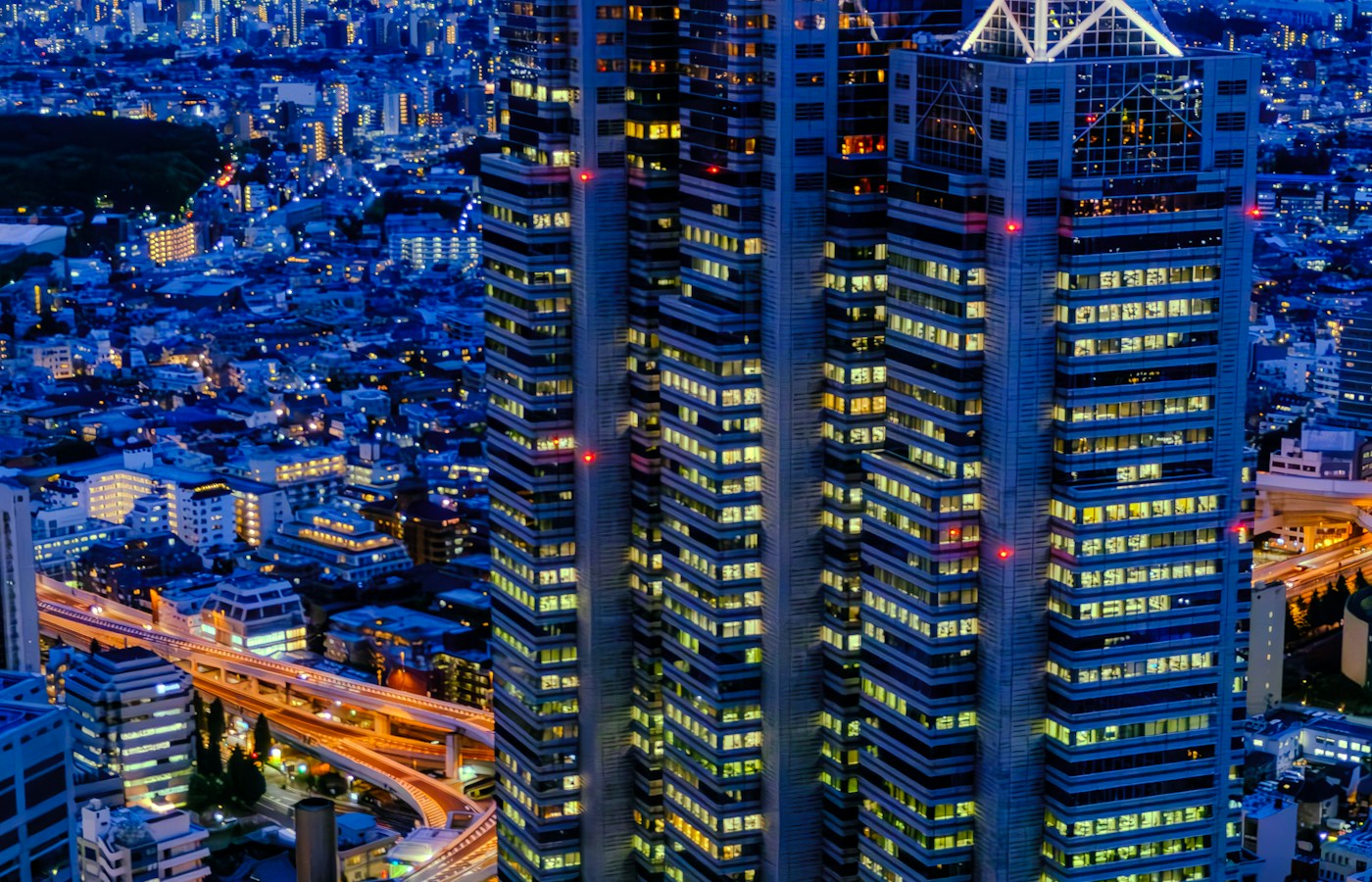
Cover photograph: Fumiaki Hayashi on Unsplash, used under the Unsplash License. The image shows the wider Shinjuku cityscape, not Ni-chome's bars or a recommended venue.
KEEP EXPLORING
Discover the destinations behind the stories